Dynamic range
The distance between quiet and loud passages; not a single score, but a listening clue when paired with genre and source.
records, raw audio, mastering notes
Rawdisc is an English reference desk for collectors and careful listeners who want to understand records, CDs, raw audio transfers, and mastering choices without drifting into piracy or gear folklore. The focus is legal preservation, better listening notes, and practical handling of physical media.
33
rpm context
16/44.1
CD baseline
0 hype
evidence first
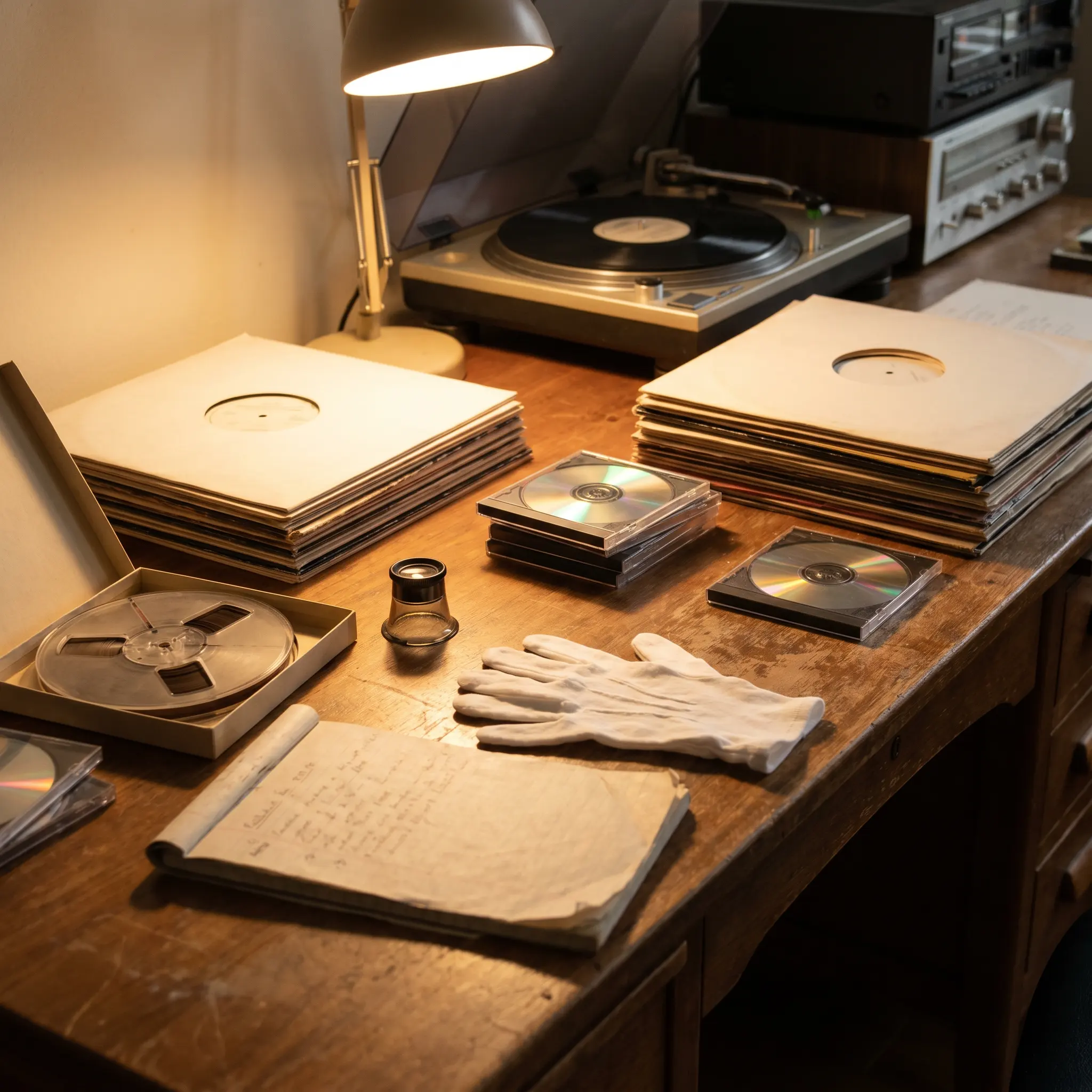
Play the cleanest copy first, write down noise floor, channel balance, and obvious handling issues before judging the mastering.
Keep matrix marks, country, year, sleeve variant, and condition in one note so the disc can be compared without myth or guesswork.
Separate cleaning, playback, sleeve replacement, and storage checks. A good archive is built by small repeatable habits.
This site treats physical media as cultural evidence and audio as something that can be described without exaggeration. A record collection is not just a shelf of objects; it is a trail of formats, manufacturing choices, storage decisions, playback setups, and listening memories. Rawdisc explains how to compare pressings, read basic mastering clues, care for discs, and make private reference notes while respecting copyright and the labor behind recordings.
The editorial stance is intentionally practical. We avoid illegal download guidance, leaked-source hunting, and claims that one format automatically wins. Instead, Rawdisc helps readers ask better questions: Was the disc cleaned before judging surface noise? Is the CD level-shifted or actually remastered? Did the sleeve protect the media, or slowly damage it? Are listening notes describing sound, or repeating a marketplace rumor?
The distance between quiet and loud passages; not a single score, but a listening clue when paired with genre and source.
A personal transfer from a record to a digital file, useful for access and comparison when kept within legal private-use boundaries.
A named engineer, studio mark, or lacquer clue that helps explain why two releases of the same album may sound different.
The first line of physical protection against abrasion, paper dust, static charge, and moisture.
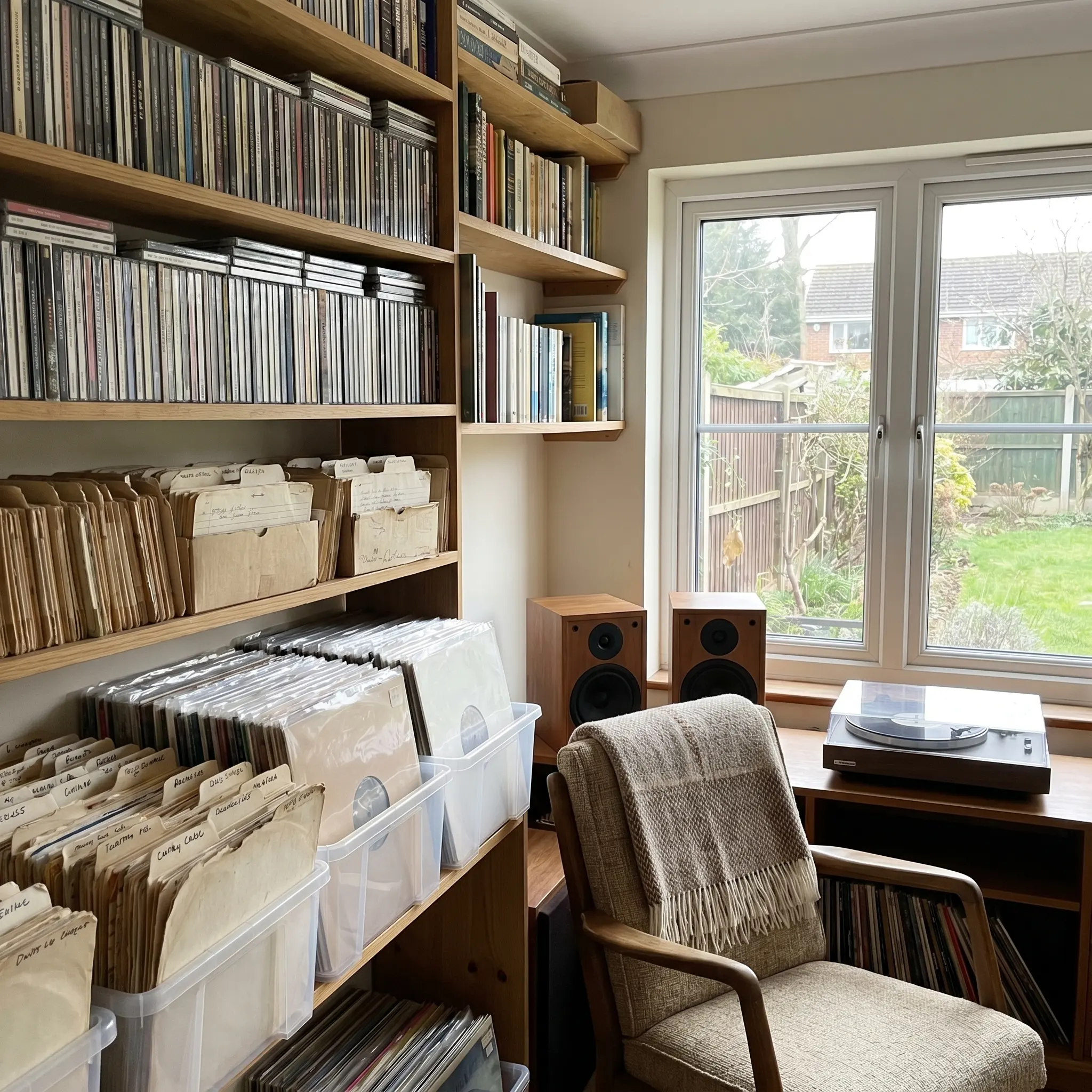
Rawdisc method
A reliable note mentions the object, condition, playback chain, room level, and comparison point. That context keeps opinions useful months later and helps another listener understand whether the note is about the disc, the mastering, the setup, or the room.